Showing posts with label new. Show all posts

Thursday, January 25, 2007

Teaming with Microbes Arrived Today

My anticipated copy of "Teaming with Microbes" has arrived. While I can't comment on the full text with any authority yet, I can say that it is well organized and has an extensive index (8 pages). It pleased me no end to see "soil science 28 - 42". There is also a valuable guide to labs and suppliers (4 pages). A supplier of mycorhhizal fungi here in Spokane is going to be getting a new customer.

My current soil obsession, bio-char, the foundational ingredient in terra preta nova, is disappointingly not mentioned. I have gotten the impression that Elaine Ingham, who has achieved demi-goddess standing in soil-web circles, was unswervingly skeptical of charcoal in large volumes as a soil amendment at the time the book went to publication, so I am not particularly surprised. In the post I saw, she based her concern on charcoal's high C:N ration putting soils out of balance. I'm chalking this up to fear of the unfamiliar. Too bad. Elaine Ingham is highly influential. When she comes around, her endorsement will save lives.

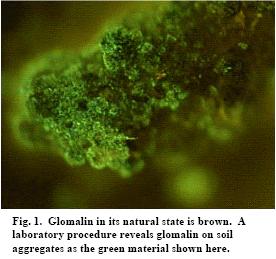
My restaurateur grandfather had a personal test to see if a chef was up to his standards: if the butter dish arrived without ice, he lowered his expectation that anything else could be properly prepared. I make similar menu-wide judgements on my orders of eggs-over-easy and chile rellenos. My acid test for an elightened organic gardening book is the treatment of glomalin (recalcitrant mycorhhizal fungally produced glycoprotein that accounts for 1/3 of world soil carbon). It is mentioned on page 37 (see familiar glomalin photo on page 39), so things are looking up at this point.


Friday, February 24, 2006

Carbon Coalition Against Global Warming

The Carbon Coalition Against Global Warming says that the best way to combat Global Warming is to encourage farmers to cultivate deep-rooted perennial grass species and crops that can lock vast amounts of carbon up in the soil.


A new farmers’ movement was launched this week in central western New South Wales. The Carbon Coalition was launched at the Central West Conservation Farmers Association Annual Conference in Wellington.

The Carbon Coalition aims to promote organic carbon contained in agricultural soils as a carbon sink to earn tradable credits on the greenhouse emissions market.

Farmers would then be paid up to AUS$3,000 per hectare for “sequestering” carbon in the soil. To date only forests have been recognised as tradable for carbon credits.
Maybe. I have a little heartburn over an expectation that the scientific community has promoted that leads us to believe that we can create a significant, persistent sink of carbon by using established farming and forestry approaches. The signal-to-noise ratio in applicable soil carbon sequestration data seems quite high low, especially in regards to a convincing ability to actually "lock in" the soil carbon sunk in the sink. I wouldn't feel so uncomfortable if there wasn't so much money at stake. Governments and carbon generating industries seem very eager to act with little in the way of verification. Landowners, ever strapped by a system seemingly stacked against the food and fiber producer, see a key tool for economic survival. Fundamental soil science and biology get relegated to the back seat while folks work out the international carbon credit and payment mechanisms.

At the front end, soil will naturally sequester more carbon as atmospheric carbon increases. Yet no one seems to talk about measuring performance against this moving baseline. At the back end, considering
the millenial timescale relevant to climate change, persistence is a very real issue.

As mentioned, I have a little heartbun about carbon credit mechanisms, but not a huge amount at this point. Work in the area of ammending soil with bio-char and, separately or in combination with bio-char, promoting mycorrhyzal fungi to produce glomalin seem both very promising in terms of the fundamental science. Both are fairly recent discoveries with huge implications. Hopefully we have a few more rabbits to pull out of the living soil hat.


Wednesday, February 15, 2006

Deadly soil-borne hookworm may have met its match

This UPI article is inspiring. Appreciate the dedication of the subject and the Bill and Melinda Gates Foundation for supporting this work.

Peter Hotez has spearheaded a 25-year fight to eradicate hookworm, and 12 other neglected diseases, illnesses of the poor and powerless. These ailments bear frightening names such as leishmaniasis, human African trypanosomiasis and schistosomiasis. Some are vector-borne diseases, spread through animals or mosquitoes, others are bacterial, and many more are caused by worm infections.
"When you work on a neglected disease, you're neglected by your scientific colleagues. It's hard to be taken seriously sometimes," Hotez says.
"He's the ideal scientist -- someone who is honest, works hard, and is passionate about what he is doing," says H.R. Shepherd, the chairman of the Sabin Institute who has known Peter for almost 10 years.
Hotez is developing the world's first hookworm vaccine, now in Phase 1 trials, and he'll know for sure if it works by 2011.
The above excerpts were rearranged a tad.

Sunday, February 05, 2006

Farm tile drainage progressing rapidly (II)

As mentioned here earlier, farm tile drainage is being linked to accelerated wetland loss in Minnesota. A meeting held Saturday, February 5, to discuss wetland loss drew a crowd of 300. One person testified that “99 - 100%” of the wetlands in his county were now gone. Details are reported in the St. Paul MN Pioneer Press article with the headline: “Get tough to protect wetlands, group says”. Reading the tone of the reporting, it confirms my earlier impresssion that the majority of the wetland loss is considered to be due to draining uplands adjacent to wetlands. My read (see pdf addressing MN wetland regs) is that this is normally a legal undertaking. Installing drain tile within a wetland would not be legal. This foreseeable cause of wetland loss, due to activities outside of wetlands, seems to have caught wetland advocates without a workable strategy.


Dry lab fraud alleged

Have you taken soil samples and tested soils to determine the level of plant available nutrients in the soil?

Question No. 1, page 12, Self-Assessment Workbook (pdf)

Most soil lab procedures involve wet chemistry. Dry lab results, in the vernacular, are made-up results, place-holders if you will. Sometimes they serve a legitimate purpose. Dry labbing with the intent to deceive for monetary gain is fraud. This is apparently what USDA-NRCS is accusing 15 unnamed eastern Washington farmers of when they self-qualified for monetary awards under the Conservation Security Program. CSP participants in the top tier receive up to $45,000 per year for a 10 year period for the most environmentally conscious farms. Reading both the linked Seattle P-I article and the original Spokesman-Review article, (subscription required) it looks like a few farmers fabricated a history of soil sampling and lab analysis in order to qualify. The good news is that 131 farmers audited came up clean.

For other CSP news, see also:
Capital Press article (subscription required): “CSP losing momentum”
Delta Farm Press
article: “USDA announces cut in CSP watersheds in 2006”

Sunday, January 29, 2006

Farm tile drainage progressing rapidly

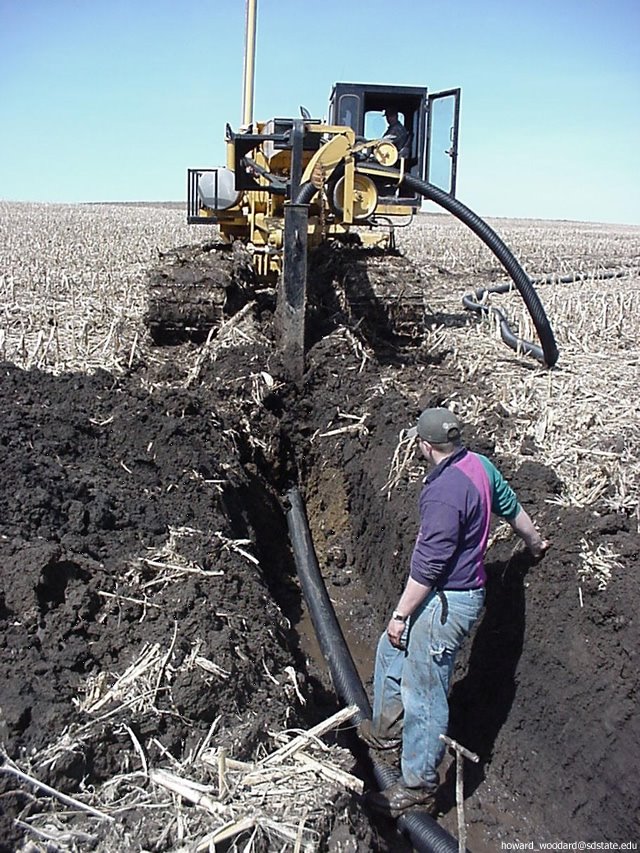
As told by Chris Niskanen over at the St. Paul MN Pioneer Press there is a tremendous amount of tile drainage going on in the north central USA: 100 million feet per year or about 19,000 miles by one estimate. Improved flexible drain tile is making this unprecedented rate of installation possible. The article mentions a number of areas of potential concern: loss of duck habitat and increased nitrate levels in surface water. Where no jurisdictional wetlands are being tiled, no permits are needed to perform this work. However the extent of the practice has caught the attention of folks and a community effort to address the impact of farm drainage on wetland habitat is being discussed.
Image source: South Dakota State University – Ag environmental issues page
Tech Tags:

Saturday, January 28, 2006

Tallahassee waste water sprayfield nitrate concern for Wakulla springs

I have been following news on a 2600 acre sprayfield on the edge of Tallahassee, Florida. It is suspected of causing environmental problems 10 miles away in Wakulla Springs State Park and the Wakulla River. A recent 1000 Friends of Florida report (pdf) ties excessive hydrilla plant growth to nitrate from the sprayfield. The news this week is that the city, USGS and Florida DEP will be conducting dye tests to better understand how the groundwater beneath the sprayfield moves down gradient. I am reading the report. Striking is the relatively low (1.0 mg/l)nitrate-N needed to control the situation.

Image source: Tallahassee Democrat


Glomalin, science, CO2 and climate change

Atmospheric CO2 concentration is expected to increase by 50% near the middle of this century. Indications are strong that rising CO2 effects higher soil organic carbon content in some cases. Glomalin, which accounts for 1/3 of soil carbon, is of particular interest because of its important role in binding soil aggregates and increasing nitrogen use efficiency. The Center for the Study of Carbon Dioxide and Global Change has updated their excellent summary about the CO2 - glomalin relationship. There is a great reference list to dive into.

Image source: USDA-ARS: Glomalin: A Manageable Soil Glue (pdf brochure)


Jobs web site: demand is up for soil scientists

While playing around with Indeed.com's nifty graphs for displaying trends in job postings, I made a graph at Indeed for "consulting soil scientists" or "soil science consultants" and was pleasantly surprised to get a definite upwards trend. Removing the consultant label has the same trend and about double the job listings. It'll be interesting to see how this plays out into 2006.
Update:
A year ago, Fast Company had geoscientists listed among the top 25 jobs for 2005 in an index weighted 35% to job growth. Seems they predicted correctly, at least as far as soil scientists are concerned. Fast Company also has a top 25 list for 2006.

Thursday, January 26, 2006

Product review - new vadose zone research tool moves to farm

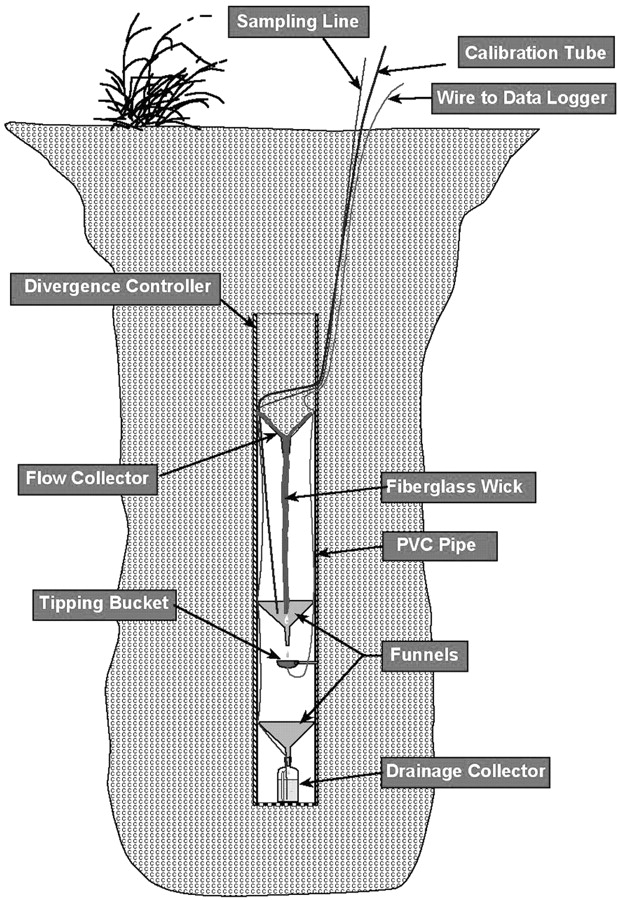
Irrigated farm fields lose water to deep percolation. This groundwater recharge, and what it contains, is difficult to research. This is because sampling tools designed to intercept saturated flow tend to miss unsaturated flow. And visa versa. New technology extracts deep soil moisture using a wick rather than the active suction or gravity.

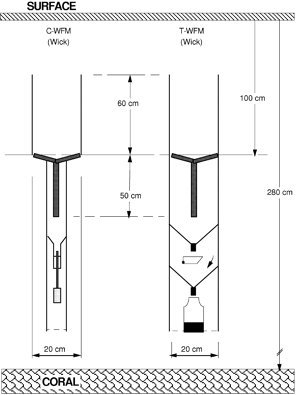
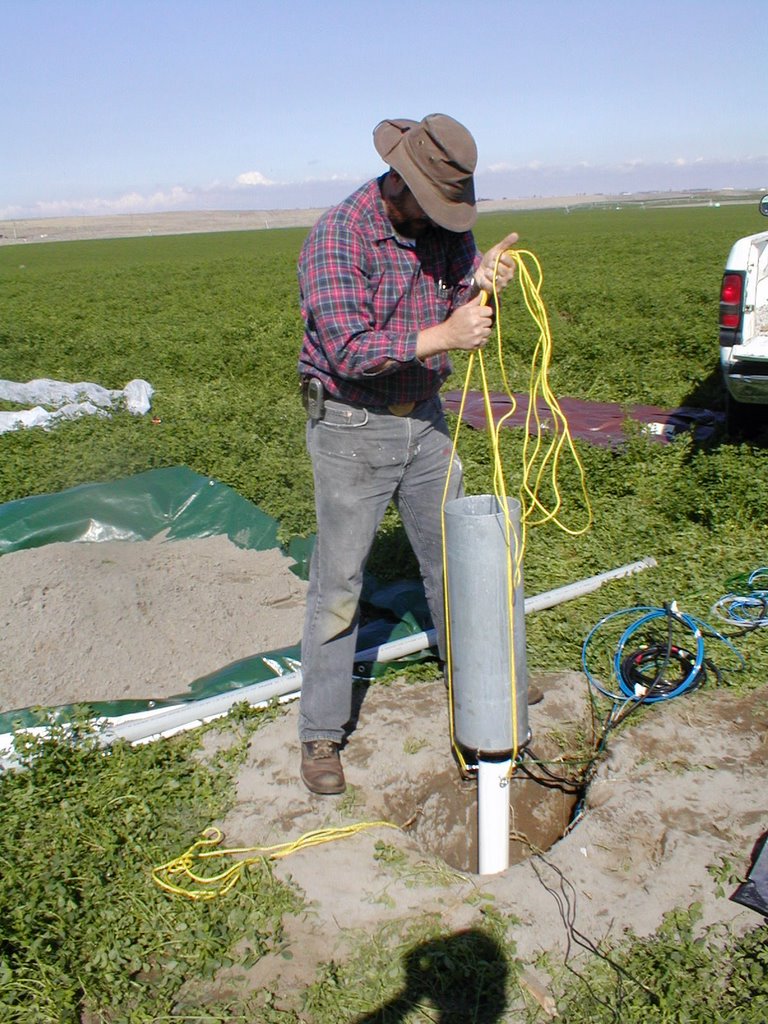
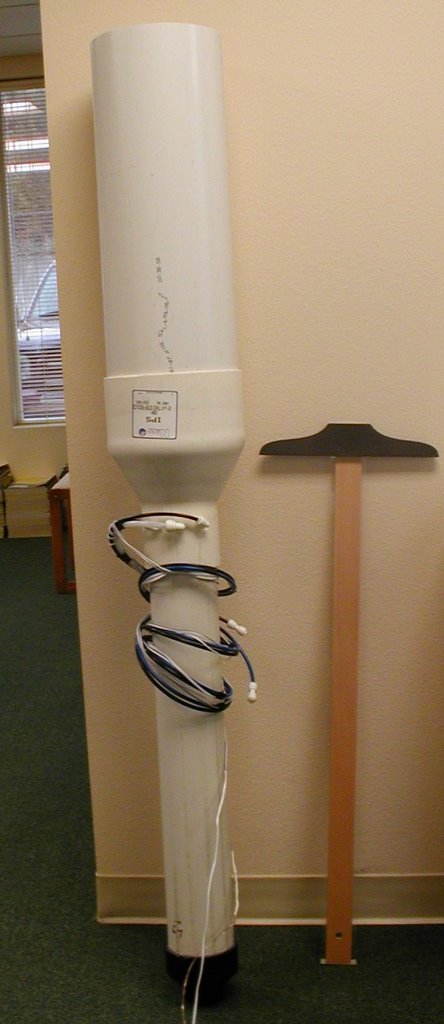
The first wick samplers were passive capillary samplers (PCS). This approach has now evolved into the current water flux meter (WFM) designed recently by Batelle soil scientist Glendon Gee. Two offspring WFM designs are commercially available: the Gee passive capillary sampler drain gauge (Decagon Devices, Pullman WA) and the vadose zone water flux meter (Sledge Sales Consulting, Dayton OR). In a recent journal article, the Decagon device is referred to as a capacitance water flux meter (C-WFM) and the Sledge device is referred to as a tipping-bucket water flux meter (T-WFM). The T-WFM is close to Glendon Gee's designs published in journal articles. The C-WFM was developed by Decagon soil scientist Gaylon Campbell in collaboration with Glendon Gee.

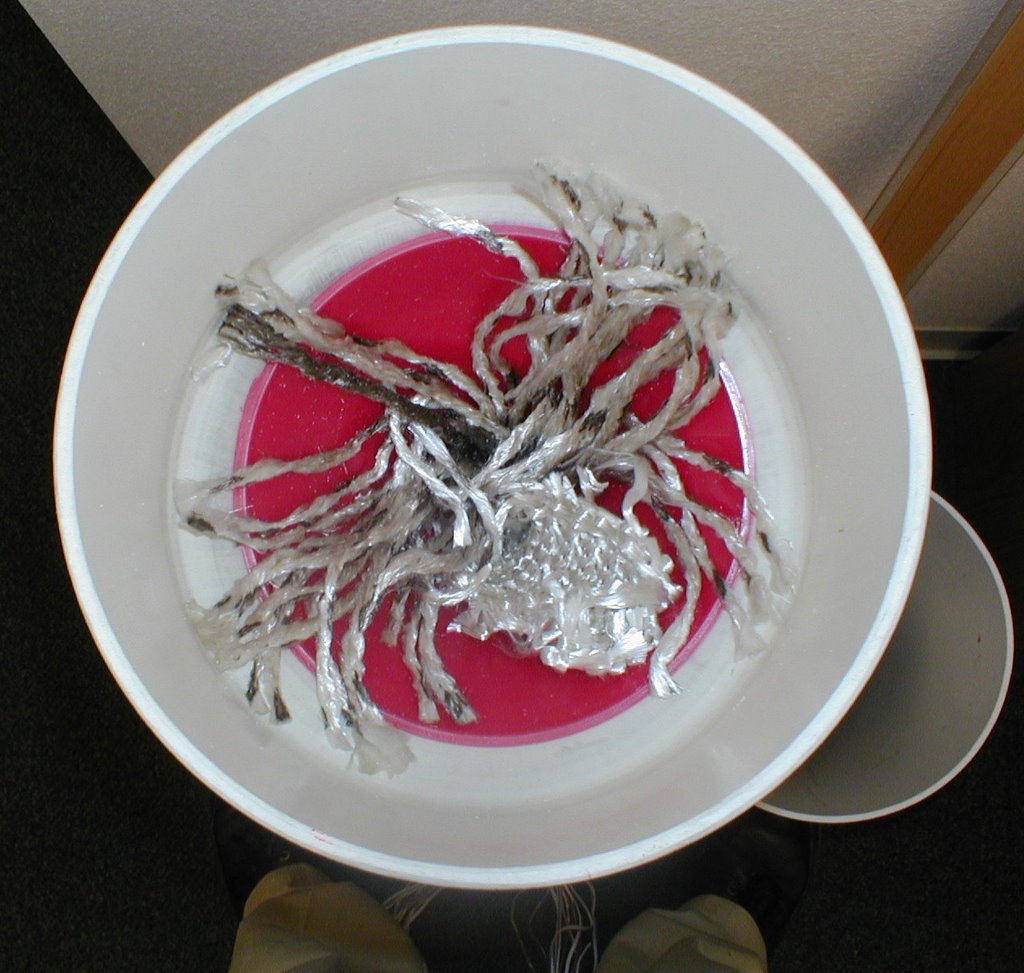
The original PCS devices needed a pit, best dug with a backhoe. Fiberglass wick length and strand size were calibrated to site specific conditions to prevent oversampling of unsaturated conditions. Today's WFMs can be placed in an auger hole or hand-dug pit. WFM configurations use a standard size and length wick which works for most situations. A recent journal article has an example of an oversampling problem.

There are strong similarities and distinct differences between the two firms. Like Decagon, Sledge maintains strong ties with Glendon Gee. Like Decagon, many of the 200 devices Sledge has produced have been for agricultural research. Compared to Decagon, Sledge is more a hands on, farm service and farm chemical oriented consulting business. With Wayne Sledge, the T-WFM is his flagship product. With Decagon, the C-WFM is a sensible addition, part of an extensive and well supported line of soil and agricultural measurement instrumentation. It appears that Decagon and Sledge have produced a similar number of devices and they are clearly on parallel tracks of success in refining their individual product.

Both firms have supplied most of their instruments to agricultural researchers, farms and clients concerned with water use efficiency and nitrogen use eficiency such as golf courses. There has also been environmental project placements, most often associated with landfill and mine-tailing closure

Decagon has put considerable effort into refining unit capacity to record water flux, less into water sample handling. The larger base of the Sledge unit enhances water sample handling options. Decagon has a stepped design which accommodates hand auguring the deepest portion, shortening installation time. Decagon has an extensive list of complementary devices and highly capable technical support staff. The Sledge unit is substantially lower in price. Choice is good.

Of particular interest in Washington State is wastewater spray field management. As mentioned in a government report: "The Department of Ecology has identified 20 spray field situations where wastewater was [improperly] applied [and conditions] ... led to contamination of groundwater...". This report was discussed here previously.

I spoke with Don Nichols, with Washington Department of Ecology's Water Quality Program, Eastern Regional Office, Spokane, WA. Don has encouraged the installation of WFMs for gathering vadose zone water quality information. Don referred me to Cascade Earth Sciences and Soil Test Farm Consultants for more information.

Dan Burgard, soil scientist with Cascade Earth Sciences (CES) in Spokane, WA has installed 7 Decagon C-WFMs in the Pasco, WA area, and 11 Sledge T-WFMs in southern California. CES modified the equipment to enhance sample collection capabilities. (See his photos below)

Dan Nelson, soil scientist with Soiltest Farm Consultants, Inc. in Moses Lake, WA has four Decagon C-WFMs installed in the Moses Lake, WA area. Both had nothing but good things to say about the potential uses of this type of data. Mass balance calculations will demonstrate if target water use efficiency and target nitrogen use efficiency is being achieved. Detailed daily data logs show exactly when percolation occurs. Percolation events observed to date are closely correlated with irrigation and precipitation events and even soil thawing events. As expected with the difference in weight between soil and the field capacity water portion, percolate nitrate and dissolved solids (salts) are several times higher than soil levels above the sample point. The devices are performing as intended.

One question I have is how many devices are needed to achieve statistical confidence in a mass balance calculation? Users independently tend toward sets of 3 units, with singles for spot comparison data. That is a sensible starting point but determining coefficient of variability on selected data would put the results into perspective.


None of the installations have been entirely glitch-free, mostly due to various data logger challenges or site specific soil related factors, such as coarse sands or depth limits. Users of the units are looking forward to continued refinements in data logger compatibility and would like to see costs come down and but give high marks for ease of installation and setup. This and available tech support make sampler units from Sledge and Decagon an attractive alternative to the do-it-yourself installations that predate this equipment.


References:
Brown, K.W., J.C. Thomas, and M.W. Holder. 1986. Development of a capillary wick unsaturated zone water sampler. Coop. Agreement CR812316-01-0. USEPA Environ. Monit. Syst. Lab., Las Vegas, NV.
Cary, J.W. 1968. An instrument for in situ measurements of soil moisture flow and suction. Soil Sci. Soc. Am. Proc. 32:3–5.
Gee, Glendon W., Zhang, Z. Fred, Ward, Andy L. 2003. A Modified Vadose Zone Fluxmeter with Solution Collection Capability Vadose Zone J 2003 2: 627-632 (highwire link) http://highwire.stanford.edu/
Knutson, J.H., and J.S. Selker. 1994. Unsaturated hydraulic conductivities of fiberglass wicks and designing capillary wick pore-water samplers. Soil Sci. Soc. Am. J. 58:721–729.
Selker
, J.S., C.K. Keller, J.T. McCord. 1999. Vadose Zone Processes, Lewis Publishers, ISBN 0-87371-953-0, GB1197.7.S46 1999 [1] [2]
van der Velde, M., Green, S. R., Gee, G. W., Vanclooster, M., Clothier, B. E. Evaluation of Drainage from Passive Suction and Nonsuction Flux Meters in a Volcanic Clay Soil under Tropical Conditions Vadose Zone J 2005 4: 1201-1209 (DOI: 10.2136/vzj2005.0011) (highwire link)


Life and the look of landforms

Geomorphologists report surprising similarity in landforms on Mars with landforms on Earth, considering the importance that soil life has on landform processes. They conclude:
"Despite the profound influence of biota on erosion processes and landscape evolution, surprisingly,…there are no landforms that can exist only in the presence of life and, thus, an abiotic Earth probably would present no unfamiliar landscapes," said Dietrich.
URL: Life leaves subtle signature in the lay of the land - UC Berkeley
It's a thought provoking read, especially for those of us who interpret the land at the more arid end of the spectrum.

Tech Tags:

Tuesday, January 24, 2006

Science and nitrogen use efficiency

Nitrogen use efficiency (NUE) is a term maintaining its currency. Worldwide, NUE is 33%. Once a concern primarily due to groundwater quality and health concerns, rising natural gas prices have moved economic concerns to the forefront. Economics must certainly have resonated in the government NUE workshop "Roadmaps to more N efficiency" held in Germany recently and mentioned in a previous article. Climate change concerns have increased interest as well as the availability of grant funding for research. NUE is affected by many factors: fertilizer form and placement, irrigation management, climate, soil characteristics and CO2 levels.
Nitrogen loss due to denitrification is caused by microbial respiration when soil oxygen levels are depleted. It is negligible in some parts of the planet and the dominant form of loses in others. This from the University of Kentucky, somewhat buried in an
article about economic concerns:
Worldwide nitrogen use efficiency is only about 33 percent, so 33 percent actually makes it into the crop. A lot of nitrogen is applied that never gets used by the crop. In the United States, the rate is 50 to 60 percent, but still half the nitrogen never makes it to the crop.
In Kentucky the biggest loss of nitrogen comes from denitrification, when nitrate is converted to nitrogen gas and dissipates into the air. By controlling denitrification, a farmer can potentially reduce the amount of nitrogen needed to produce a crop.
The other forms of reduced efficiency are leaching of nitrate and volatization of ammonia. Part of the loss to percolation can be attributed to uniformity of application and even off-target losses. Necessary to complete a zero-sum balance point of view is accounting for microbially fixed nitrogen, and changes in soil biomass,both microbial and plant roots.
Those of us who work in support of permitted land application of waste water and waste water solids are very interested in advances in understanding of NUE. Our client projects are generally held to a land treatment capacity based on a design philosophy that an NUE of 100% is a reasonable target, the legacy of a simpler time in history. With the higher level of information and better technology available today, this simplistic design standard may well be approaching the end of its useful life.

Friday, January 20, 2006

German science workshop news critical of precision agriculture performance

A German soil science research center reports that Precision Agriculture has not delivered on promised benefits, stating:
...worse are the actually reported effects of ..."Precision Agriculture" (PA) ...on N efficiency. Still after 15 years of implementation no results proving consistent increases in yields or decreased fertilizer application are available. Quite the contrary: some of the techniques developed in PA may even decrease fertilizer N efficiency...
The Federal Agricultural Research Center (FAL) - Institute of Plant Nutrition and Soil Science's workshop, Options for reducing the nitrogen surplus in plant production, has individual presentation pdf files available, including the one on PA.


Thursday, January 19, 2006

New organic garden book: Teaming With Microbes

For over 30 years, Jeff Lowenfels has written a free-lance gardening column in Anchorage. Among other things, Lowenfels and a couple of like-minded friends have patented a cool one-eye device for looking at plants and insects in the field, the macroscope, available now through Brunton. Lowenfels now has a forthcoming book on soil microbes, a subject he has written and lectured on abundantly for the last 5 years. He has been promising a book on this for most of those years and a lot of gardeners are looking forward to it. The subject of microbes and plant nutrition offers a lot to get excited about. I've mentioned some bits a time or two. And, as back40 reminds us, it was only in 1996 that glomalin was discovered. Glomalin is the durable soil carbon produced by mycorrhizal fungi and responsible for many positive attributes of soil function, plant nutrition and soil health.
According to a news article this week, Lowenfels book "Teaming With Microbes: A Gardener's Guide to Using the Soil Food Web." is being published by Timber Press and is due out sometime in late summer. Tag me "easily entertained", but I really like the double sens of the word "teaming" in the book title. In 2004, the working title was "Soil Science for Gardeners", and thankfully Lowenfels has wisely prevailed upon Timber Press to use "Teaming With Microbes" as he originally proposed.

Monday, January 16, 2006

Tetany animal health issue and soil, hay links

Tetany is a complex disease in that no specific condition triggers it in all cases. Gauge tetany risk using soil and tissue analysis when growing or feeding hay comprised solely of cool-season grasses. A grass-legume mix does not have this risk.

Tetany is a disease affecting ruminants and is associated with feeding or grazing bluegrass, bromegrass, fescue, orchardgrass, ryegrass, timothy and wheatgrass. It is caused by low blood levels of calcium and/or magnesium. Classic risk conditions occur when the forage grass is growing quickly in the spring and nitrogen levels are high. Less well known is that tetany can be a problem when hay is grown on soils with excessive soil potassium. Manure and potassium hydroxide cleansers are two potential sources. Lactating animals are more susceptible to tetany, thus dairies are particularly alert to the concern and tend to avoid growing or feeding grass hay exclusively. Forage guides may not mention it as a concern. A forage tissue ratio of K/(Ca+Mg) of more than 2.2 indicates a high risk of tetany and the need to supplement feed with magnesium (Mg) (see also). If an animal goes down and tetany is suspected, a veterinarian should be contacted for immediate treatment. Often an animal will recover if it can be given an injection of magnesium sulfate (Epsom salts) early on.

Preventative Mg feed supplement and the ready supply of alfalfa tends to keep the incidence of tetany to a minimum. My thought is that tetany is additionally controlled by the close knit nature of farm communities. Caring neighbors and long memories tend to interact sufficiently that tetany symptoms don't take more than an animal or two, usually the weakest anyway, before it is figured out. Perhaps this explains why analytical laboratories in my region are generally unaware of tetany or the role of soil and tissue nutrient levels. My opinion is that cooperative extension publications in the Pacific Northwest can do better in this area. Tips for preventing animal loss due to tetany should be included in the fertility guides published to help folk interpret forage test results.

See also:
Spring Mineral Considerations by Jeff Heldt (link added 03MAR06)
Controlling Grass Tetany in Livestock, by Cooperative Extension, New Mexico State University, available in pdf format

Tech Tags:

Friday, January 13, 2006

Tap Roots

Some plant species do the opposite of saving for a rainy day. They sop up rain water that would otherwise run off or evaporate. They redistribute the water to a long tap root where it is safely stored in deep soil out of reach of their shallower rooted neighbors. In the intervals between rainy periods, they return water to the shallow portion of the root system and prevent it from drying out. Researchers indicate that this capability is not restricted to the tree species in the the Amazon basin they researched. While the researchers refer to the "hydraulic redistribution" phenomenon being observed by others, first in small plants two decades ago, this appears to be the first time that a statement has been offered to gage the potential global scale and the significance to water balance and climate models.

The new study in the Amazonian forest shows that trees use water in a complex way: The tap roots transfer rainwater from the surface to reservoirs deep underground and redistribute water upwards after the rains to keep the top layers moist, ... The researchers estimate this effect increases photosynthesis and the evaporation of water from plants, called transpiration, by 40 percent in the dry season, when photosynthesis otherwise would be limited.

"This shifting of water by roots has a physiological effect on the plants, letting them pull more carbon dioxide from the atmosphere as they conduct more photosynthesis," said co-author Todd Dawson, professor of integrative biology at UC Berkeley. "Because this has not been considered until now, people have likely underestimated the amount of carbon taken up by the Amazon and underestimated the impact of Amazonian deforestation on climate."...

Dawson, Lee and their colleagues, including Inez Fung of UC Berkeley, reported their findings last month in the Dec. 6 issue of the Proceedings of the National Academy of Sciences. ...

"Evapotranspiration stays higher than previously expected during the prolonged dry season because of this private reserve of water banked during the wet season by the tap roots," said Dawson. "Just as perspiration cools us off, increased transpiration by trees in June and July explains the drop in temperature in the Amazon."

This effect changes the way the atmosphere heats and cools, and will change the way rain is distributed, he noted. Depending on the extent to which trees elsewhere in the world, especially in Africa and other tropical and extratropical areas, redistribute water in the soil, the impact on global climate could be significant.

"The impact on transpiration is greatest in the Amazon and Congo forests, but our model also shows an impact in the United States and other places that have dry and wet periods," Lee said.

Trees have long been known to lift water from the soil to great heights using a principle called hydraulic lift, with energy supplied by evaporation of water from leaf openings called stomata. Twenty years ago, however, some small plants were found to do more than lift water from the soil to the leaves - they also lifted deep water with their tap root and deposited it in shallow soil for use at a later time, and reversed the process during the rainy season to push water into storage deep underground. Dawson discovered in 1990 that trees do this, too, and to date, so-called hydraulic redistribution has been found in some 60 separate deeply rooted plant species.

Earlier this year, Dawson's colleague and former UC Berkeley doctoral student Rafael Oliveira of the Laboratório de Ecologia Isotópica at the University of Sao Paulo, Brazil, discovered that Amazonian trees also use hydraulic redistribution to maintain the moisture around their shallow roots during the long dry season. During the wet season, these plants can store as much as 10 percent of the annual precipitation as deep as 13 meters (43 feet) underground, to be tapped during the dry months. [emphasis added]
"These trees are using their root system to redistribute water into different soil compartments," Dawson said. "This allows the trees and the forest to sustain water use throughout the dry season."

The process is a passive one, he noted, driven by chemical potential gradients, with tree roots acting like pipes to allow water to shift around much faster than it could otherwise percolate through the soil. In many plants that exhibit hydraulic redistribution, the tap roots are like the part of an iceberg below water. In some cases these roots can reach down more than 100 times the height of the plant above ground. Such deep roots make sense if their purpose is to redistribute water during the dry season for use by the plant's shallow roots, though Dawson suspects that the real reason for keeping the surface soil moist is to make it easier for the plant to take in nutrients.

"Hydraulic redistribution is definitely related to water, but it can't really be discussed outside the context of plant nutrition," he said.

The article goes on from there, but this point concerning nutrition is worth expanding upon. The article indicates that stored water is transferred to the shallower portion of the root system where it must exude into the soil "for keeping the surface soil moist". Soil ion adsorption and plant nutrient exchange processes are moist (vs dry) soil phenomena. Keeping the soil moist just at the root surface would put minimal demand on plant water reserves but have a significant effect on nutrient availability.

It would also support the symbiotic community of soil microorganisms supported by the root system. Arbuscular mycorrhizal fungi and symbiotic soil bacteria are sustained by rhizodeposition, a term which can encompass both liquid root exudates and solid plant cell material. In my experience, root exudates are normally explained as simply an energy or carbon source for the microbes, a carbohydrate quid-pro-quo in exchange for mineral nutrients. It is a fairly thrifty exchange. The water supply component of root exudates highlighted in this new research is an exciting emphasis, at least to your author. Access to steady and stable supply of water, even a parsimonious supply, is ideal for sustaining soil fungi. Resulting beneficial effects, in the form of mycorrhizal hyphae, can extend out from a few centimeters to many meters. Perhaps future observations will be able to determine if the fungi component also plays a role in moistening soil.

Root water uptake and the dynamic availability of water to plants is a phenomenon that tends to be overlooked by soil scientists, despite the often dominant role of roots as a sink for water in the soil.

quoted from: Roots: The big movers of water and chemical in soil. Clothier, BE; Green, SR. Soil Science. Vol. 162, no. 8, pp. 534-543. Aug 1997.

Color photo is from http://earthobservatory.nasa.gov/Laboratory/ICE/Images/panama_canopy.jpg

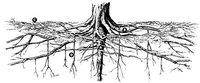
Line drawing to left is Fig.113.--Root of sunflower where plants were spaced 8 inches apart. From Root Development of Field Crops. Weaver, John. 1926 posted at http://www.soilandhealth.org/

Line drawing in middle of article is from

How a Tree Grows, FS-32, 1970, USDA Forest Service
Key:
(A) Tap Root — Provides main support of tree and anchors it firmly in the ground. (Not all trees have one)
(B) Lateral Roots — Help support and anchor trunk, may extend far out, beyond crown spread.
(C) Fibrous Roots — Masses of fine feeding roots close to ground surface.
(D) Deeply Descending Roots (‘Sinkers’) — Grow downward from lateral roots


EurekaAlert! news release for cited article
UPI news release for cited article

Technorati Tags:


Monday, January 09, 2006

Diversity

The current round of research into soil microbial life holds the door open onto insights that stagger the imagination.
Discoveries about vesicular arbuscular mycorrhizal fungi (VAM) and arbuscular mycorrhizal fungi (AMF) transformed our understanding of the contribution of soil fungi to soil function. Current research indicates that similarly monumental discoveries may await us.

Genome research and computational improvements demonstrate that the number and diversity of soil bacteria species far exceed the levels anticipated.

Bacteria make up the bulk of life on Earth and play a vital role in the lives of other organisms. But scientists have barely scraped the surface when it comes to identifying bacteria – 99% of species cannot be grown by standard techniques in the laboratory. ... Soil is ... a complex microbial environment containing thousands of distinct species – most of them bacteria – in just a half-gram sample.

and

More than one million distinct genomes occurred in the pristine soil, exceeding previous estimates by two orders of magnitude.

The distribution of this diversity is unequal in ways that may seem counter intuitive. The following was reported earlier today in What's New in Science and Technology .

Ironically, in the diversity of soil bacteria, the otherwise species-rich Amazon is a more like a desert, while the arid desert is a teeming microbial Amazon, researchers have found. Their first-ever continental-scale genetic survey of soil bacteria revealed that the primary factor that seems to govern the diversity of soil bacteria is soil pH. Thus, the acidic soils of topical forests harbor fewer bacterial species than the neutral soils of deserts.

The researchers said that, since soil bacteria play a fundamental role in a vast array of ecological processes, their survey constitutes an initial step in a new research pathway to understanding that role.

As exciting as these studies are, they are tentative and simplistic in comparison to the dynamic they reveal. These results are the product of capacity building needed before the real work can begin.

Technorati Tags:

Thursday, January 05, 2006

Retirement of Gary Muckel

Access to data. Access to standards. Access to continuing education. Soil consultants need all three to thrive professionally. The reciprocal is that the profession needs the participation of consultants to thrive. This is less of a disconnect than in 1992, when Gary Muckel began in his efforts to bring soil science consultants in closer with the efforts and products of the National Cooperative Soil Survey (NCSS). Gary retires today. He will be missed.

Just a quick note to pass along the attached notice of Gary Muckel's retirement. Gary has been a wonderful facilitator to us via his NRCS NCSS position in Lincoln -- he has always gone out of his way to forward us publications and other helpful resources and information.

Gary B. Muckel, soil scientist at the National Soil Survey Center in Lincoln, Nebraska, is retiring January 3, 2006, following a 35-year career with the Soil Conservation Service/ Natural Resources Conservation Service (SCS/NRCS).

Gary is a native of California but grew up in Reno, Nevada. He received his bachelor of science degree in plant science and his master of science degree in soil science at the University of Nevada, Reno. Gary began his SCS career in Burley, Idaho, in November 1970 as a field soil scientist. In 1974, he became the soil survey party leader in Twin Falls, Idaho.

In 1977, Gary moved on to Bismarck, North Dakota, as the soil correlator. He later became the assistant state soil scientist in North Dakota. His next stop was in 1980 at Albuquerque, New Mexico, where he served as the state soil scientist. In 1988, Gary joined the West National Technical Center in Portland, Oregon, as the head of the soils staff. It was during this time that Gary initiated activities for the National Soil Survey Centennial.

In 1992, Gary joined the National Soil Survey Center with primary responsibility for the National Soil Survey Handbook. He chaired the Soil Survey Centennial in 1999, during which time more than 1,000 projects were completed nationwide. Gary initiated the Soil Quality Information Sheets and has published more than 50 articles on soil survey. He recently released the publication “Using Soil Survey to Identify Risks and Hazards to Human Life and Property.� Gary has managed the national soils website at http://soils.usda.gov for many years, as both content manager and webmaster. As national marketing coordinator for soil survey for several years, he successfully established a marketing plan for the National Cooperative Soil Survey program. Gary developed and authored soil education CDs and soil profile cards that are used by thousands of schools. He is a member of the Soil and Water Conservation Society and the Nebraska Society of Professional Soil Scientists.

The above was passed along through PSSAC (Thanks, Mary!).

As we in Washington gear up for the next stage in pursuing state licensing of soil scientists, no doubt we will be dusting off Gary's "Understanding Soil Risks and Hazards", mentioned above. I have a link for downloading it below.

Understanding Soil Risk and Hazards: Using Soil to Identify Areas with Risks and Hazards to Human Life and Property. Gary B. Muckel, editor. 2004. 93 pp. Available free online from the U.S. Department of Agriculture, Natural Resources Conservation Service, National Soil Survey Center, 100 Centennial Mall North, Room 152, Lincoln, NE 68508; (402) 437-5499; ftp://ftp-fc.sc.egov.usda.gov/NSSC/Soil_Risks/risks_print_version.pdf.

By drawing on local knowledge and experience, this publication aims to expand awareness of various soil risks and hazards to human life and property and encourage city and county officials, planners, developers, and others to consider the soil in their land use decisions.


Technorati Tags:

Sunday, January 01, 2006

Happy New Year's with Writely and Zoho Writer!

Today I comparison tested two web-based beta-version word processors: Writely and Zoho Writer. Both make it deliciously easy to post to blogger. Both are free and are painless to start into. Both can import and save documents in HTML, MSOffice and OOo formats (I'm partial to OOo, which is free, and allows me to export as a pdf). Of the two, I like Zoho Writer's interface, feel, pace and task flow better, but I have to stick with Writely because of some critical features.

Both Writely and Zoho Writer allow the use of tags, which like gmail, allows you multiple labels to help organize files, in my mind a superior feature to a directory tree structure assuming you have a decent file content search function. Which neither does as of yet. (Note: It would be handy if these tags translated to technorati tags in the document.)

Writely has two critical advantages over Zoho Writer. First, Writely has an html editor, essential for inserting and finessing special bits like technorati tags, etc. Zoho Writer has some minimal html editing capabilities which you see when you right-click on selected text.

Second critical difference is that Writely I can replace my blog entry with an updated version using an "update post" option. Not so with Zoho Writer - every time I uploaded this article, it had to be a new entry, forcing me to delete the old one. Also, with Writely, you can use special character's in the title (', !, ?) and it is possible to edit the article title at the point it will be uploaded to the blog, even when you update the post. In Zoho Writer my workaround is to Save As Template, and reopen as a new document.

Indications are that ZohoWriter has got more work to get out of beta than Writely does. Cut-and-paste between documents requires going into a Mozilla file and hacking it to allow an unauthorized script. Editing styles and character fonts is a little dicey. The date-time stamp when I post to my blog is straight up UTC - not what I want.

Unlike Zoho Writer, Writely has the ability to insert bookmarks and internal links, although I haven't been able to get that feature to work so well for me yet in the blog. Neither program has the image file import interface I want. If I want to import a lofi thumbnail that links externally to a the original version (ala blogger's editor) it is going to have to be done the old fashioned way. I can't even resize the image to be inserted. Zoho Writer has an "anchor" button that may support image insertion and placement but I haven't figured it out yet. Again, an html editor would be nice.

Zoho Writer's advantage over Writely are that it is significantly faster, doesn't open the document in a separate window, and in my personal opinion, has a cleaner touch to the interface. For example, you don't close (or "done" button) a document - just save (or not and lose changes) and cleanly move on to the next task. The login procedure is faster. I find Zoho Writer more pleasant to use than Writely and thought I would like it better until I got into it deeper. I am compelled to stick with Writely for now.

Technorati tags:

Friday, December 30, 2005

Indicator of Reduction in Soils (IRIS)

The list of activities and structures that don't do so well in reduced conditions is pretty long: septic drain fields, crops and steel underground storage tanks come to mind. On the other hand, reduced conditions are a requirement for jurisdictional wetland designation and constructed wetlands. Beyond that, watching the playoff between various redox gradients in soil is just plain fun.

Pedology and Wetland Soils

B. J. Jenkinson and D. P. Franzmeier*

Dept. of Agronomy, Purdue Univ., Lilly Hall of Life Sciences, 915 W. State St., West Lafayette, IN 47907-2054

* Corresponding author (dfranzme@purdue.edu )

Soil drainage conditions are important to land use decisions. Traditionally, anaerobic conditions induced by poor drainage have been evaluated by observing soil color related to Fe and Mn oxides, using {alpha}, {alpha}-dipyridyl dye, measuring dissolved O2, and measuring EH. We believe that there is further need for a device that is scientifically sound and easy to use. Therefore, our goals were to develop and test a device that mimics natural soil processes, visually indicates soil reduction, and is robust. Our concept was to coat a rod or tube with a colored soil mineral that dissolves on reduction, insert the device into a soil, remove it after a few weeks or longer, and observe if some of the coating had been lost. If the coating was not dissolved, no reduction occurred, but if it was dissolved, reducing conditions must have prevailed. After trying several kinds of coatings and tubes, we chose ferrihydrite (FH) coating on polyvinyl chloride (PVC) pipe. We call the device an Indicator of Reduction in Soils (IRIS). As the study progressed we added semi-quantitative interpretations by measuring depleted areas using a digital camera and image analysis. We tested IRIS tubes in the lab and in soils in Indiana, Minnesota, and North Dakota, and concluded they performed as expected. Reduction rates increased between February and April and were related to increasing soil temperature, turnover (flux) of soil OC, and content (inventory) of OC. Reduction rates decreased after April, presumably because the nutrient supply for microbes decreased.


Abbreviations: Ac, area of FH coating in contact with the soil • Ad, area from which some FH had been depleted • D, percentage of Ac from which some FH had been depleted • DO, dissolved O2 concentration • FH, ferrihydrite • IRIS, indicator(s) of reduction in soils • OC, organic carbon • PVC, polyvinyl chloride • UDD, upper depth of FH depletion


Easy and straightforward. Kind of like the traditional sticking of the toothpick into the banana bread to see if it's done.

Note: I updated this article a few hours after posting the original. If you read the first version, my sympathies. What can I say. Its a gift.

Further Reading:
Redoximorphic Features Powerpoint presentation developed by: Michael Whited, USDA-NRCS - Wetland Science Institute August, 2000. (4.6 MB) (source page )

Technorati Tags: